
Have you ever noticed how much easier—and often more enjoyable—it is to read about something you already know a little about? As someone born and raised in Minnesota, I know a thing or two about forests, lakes, bears, moose, mosquitoes—and yes, even tornadoes. So when I read Hatchet by Gary Paulsen, a survival story set in the Canadian wilderness, I could picture the scenes clearly and understand many of Brian's experiences. Why is that? It is simply because I had background knowledge—the experiences, information, and understanding we already have and carry with us into a text—related to the topics found in this book.
Blog
Building Background Knowledge and Making Summer Memories
Michelle Brenner • July 1, 2026
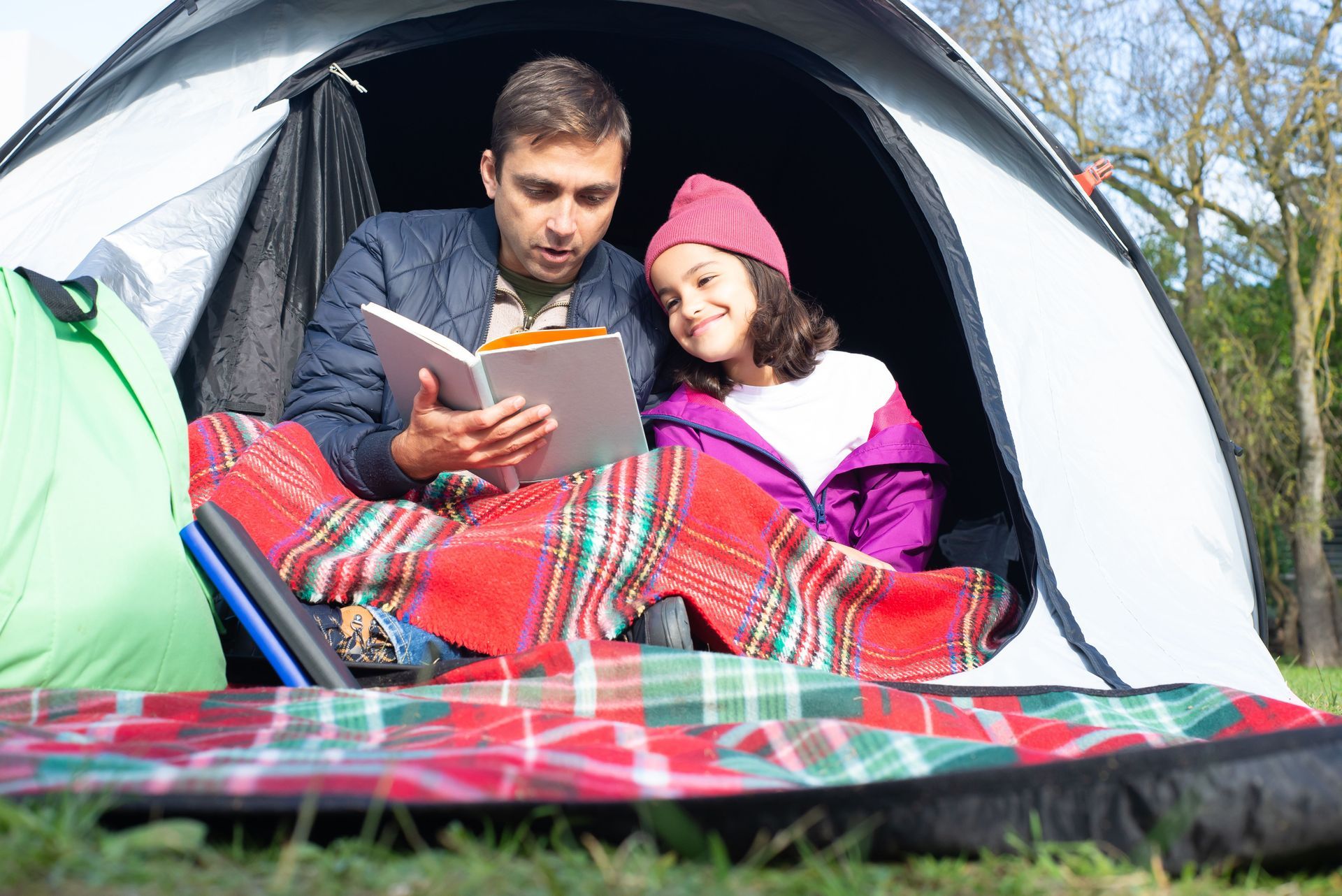
Background knowledge plays an important role in reading comprehension, because the more we know about a topic, the easier it is to make sense of what we read. Research has repeatedly shown that background knowledge plays a significant role in how well students comprehend what they read, making it an important part of our job as parents and teachers to help them build it (Reading Rockets).
Background knowledge supports comprehension in many ways. For example, authors do not explain every word they use in a story—instead, they assume the reader already knows certain things. For example, a reader might encounter a word with multiple meanings, such as the word bat. A student reading a story about baseball will likely understand that bat refers to a piece of equipment used to hit the ball, not a small nocturnal animal that flies around at night.
Background knowledge also helps readers build new knowledge on top of what they already know about a topic. For example, if a student knows a little something about how baseball is played and then reads about how many players are on the field and what each position is called, they will likely be able to picture the players and their field positions. They might even be able to point out the pitcher, the shortstop, the third baseman, and even the umpire—and just like that, they have also expanded their vocabulary. Engaging in rich discussions on a topic also deepens a student's understanding and increases their background knowledge, while providing the opportunity for good quality time between the parent and child. Truly a win for everyone!
Reading requires students to make inferences—drawing conclusions based on evidence and prior knowledge. As students become more advanced readers, the level of inferencing they are asked to do also becomes more advanced. Background knowledge supports this process by providing the prior knowledge needed to determine what is not directly stated in the story. Without background knowledge, making inferences is much harder. Consider a student reading about a soccer player who was given a yellow card. A reader with some knowledge of the game will likely be able to infer that the yellow card is some sort of warning or penalty, but a reader who does not have this background knowledge might struggle to make sense of the passage because they have no familiar concept to connect it to.
While firsthand experiences are one meaningful way to build background knowledge, they are not the only way. Children can also build knowledge through reading (especially informational texts), asking questions, and exploring topics more deeply. Informational texts, such as those found in One Minute Reader, contain rich vocabulary and concepts that naturally build background knowledge. The more children read, the more their background knowledge grows, and with it, their ability to comprehend future texts also improves.
Here are some great ways to use
One Minute Reader
stories to build background knowledge and make summer memories at the same time:
- Make an "I want to learn more about…" notebook or folder (online or on paper).
(e.g., I want to learn more about the Grand Canyon.) - Help your child pick a One Minute Reader story they want to learn more about and read it together, or have them read it independently.
(e.g., The Power of Water from Level 4) - Pick three words from the story, write them down, and discuss their meanings.
(e.g., canyon, ancient, formations) - Use each word in a sentence.
(Note: Oral or written sentences are acceptable.) - Research the topic online and/or at the library and document findings.
(e.g., Grand Canyon National Park article, Grand Canyon book by Jason Chin) - Engage in rich discussions about the topic.
(e.g., Tell me what you have learned about the Grand Canyon; What did you find interesting?; What do you still wonder about?) - Find ways to experience the topic like visiting a museum, zoo, or aquarium, interviewing an expert, attending a sporting event, or enrolling in a virtual field trip.
(e.g., Grand Canyon Virtual Tour) - Encourage your child to present their new knowledge to you or a small audience.
(e.g., PowerPoint, Google Slideshow, iMovie, diorama, mural, poster)
↩ Once you have completed the first topic together, encourage your child to pick a new one and do it all over again!
One Minute Reader is an award-winning system that uses the Read Naturally Strategy and is backed by the Science of Reading. You can try this program free for one week and then purchase it for $8/month—only $24 for a full summer of reading! The stories are interesting, the strategy is motivating, and students make significant progress. Here is a flyer with more information about One Minute Reader and the Summer Slide.
Highlighted Posts
Explore how One Minute Reader turns screen time into a productive reading experience. Sign up for a free trial today!
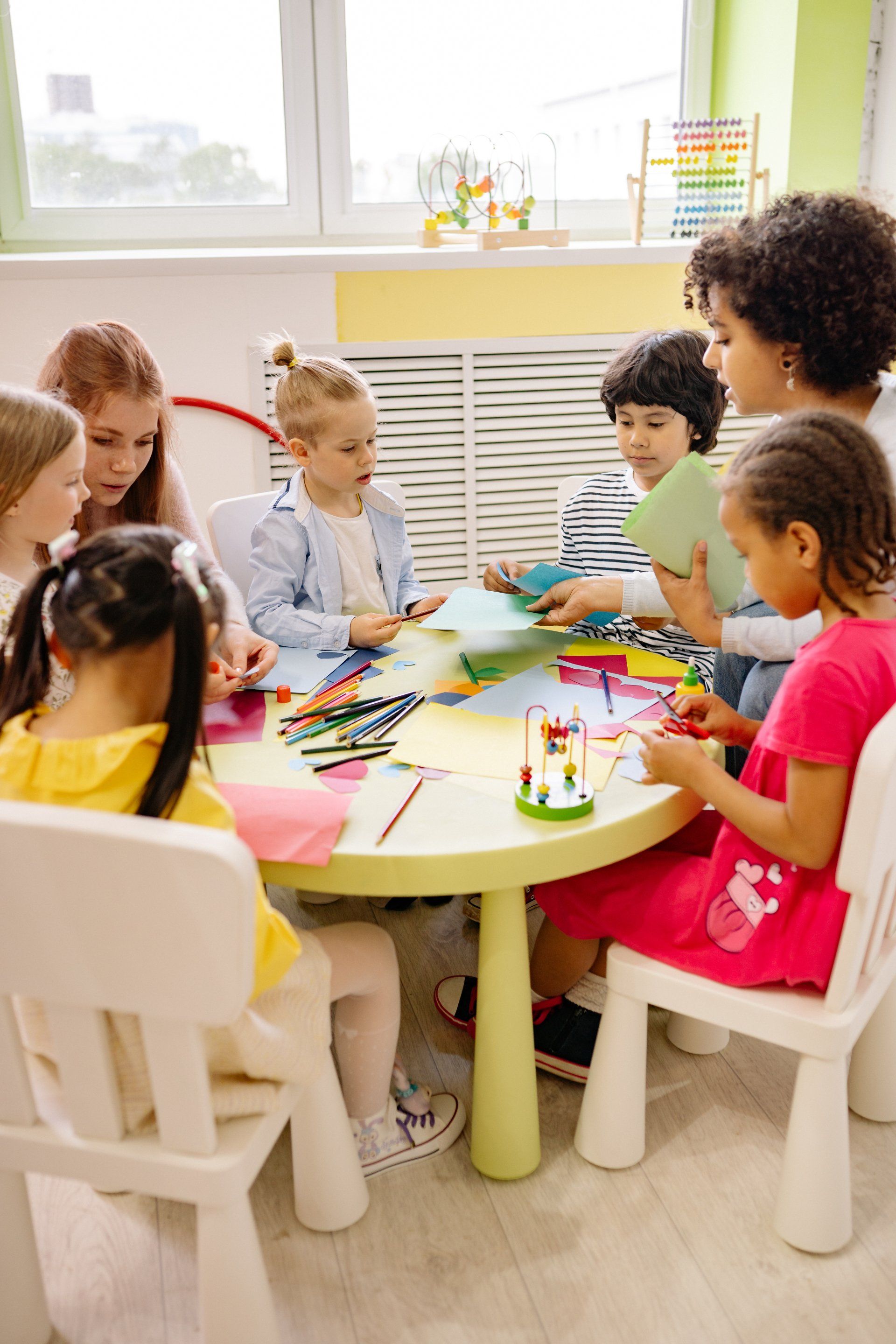
Discover 5 meaningful Teacher Appreciation Week ideas for students, including thank-you letters, video tributes, DIY gifts, classroom decorations, and volunteering tips to honor teachers.
Summer calendars tend to get very busy, despite many parents' best attempts to give their children plenty of unstructured free time. Quiet time to read might not earn a spot on the family calendar, but it should be highly prioritized nonetheless. Here are some tips to entice your kids to make reading part of their daily summer routine.
Ready to see an improvement in your child's reading?
Sign up today and get seven days for FREE.
One Minute Reader is just $8 per month after your free trial.